Showing posts with label Leaky gut. Show all posts

Saturday, January 2, 2021

Herbal Teas for Better Gut Health

I help a lot of people with gut issues that include people having trouble with constipation, diarrhea, acid reflux, IBS, malabsorption and bloating.  It seems that no matter what the gut issue is if I help that patient reduce inflammation that is irritating the gut the body tends to heal itself given the right nutrition.  One of the things I use in order to reduce inflammation and heal the gut is to suggest to my patients to drink teas.  The top 4 teas that help my patients reduce inflammation while healing the gut are fennel, ginger, marshmallow root and peppermint.  

Fennel tea is great to help the body digest.  It tastes a little like licorice.  It can relieve constipation and is known to prevent stomach ulcers.  It also has anti-inflammatory properties due to its high level of antioxidants which the body needs to fight harmful things you ingest like bacteria, plastics that leach from food containers, or aluminum that food absorbed from foil.  


Ginger is a great tea to drink if you have an upset stomach for any reason.  Ginger tea is also good for preventing or stopping nausea. Drinking ginger tea is useful in improving digestion and increasing absorption of food.  Drink ginger tea when feeling bloated after eating too much.  It has such strong anti-inflammatory properties that drinking tea can also help reduce inflammation in other parts of the body including joints, head and uterus so it’s good for arthritis, headaches and menstrual cramps.  


Marshmallow root tea is very soothing for the gut.   It reduces inflammation of the stomach lining and even heals stomach ulcers. It creates a protective lining in the digestive tract, thereby treating leaky gut syndrome and soothing acid reflux. Marshmallow root also helps individuals suffering from inflammatory bowel diseases like Crohn’s disease and ulcerative colitis.


Drinking peppermint tea is a good way to balance pH levels and promote a healthy blood flow throughout the body.  In this way peppermint tea reduces inflammation not only in the gut but also your joints.  Peppermint tea is also good for nausea.


It is best to drink the loose leaf, organic version of any of these teas at any time of day.  Steep one teaspoon of tea in 6 ounces of hot water for at least 3 minutes.  

Saturday, July 25, 2020

Poison and the Blood Brain Barrier

The Blood-Brain Barrier, or BBB, is a single-layered lattice of cells joined together by tight junctions that keep most substances out and allow few substances into the brain.Toxic substances typically kept out include heavy metals, pesticides, germs, plastics as well as damaging proteins while substances allowed in are oxygen, hormones, and nutrients.  Your bbb has tight junctions that become loose or broken with a protein called zonulin. Zonulin also breaks down the protective layer of your intestinal wall creating leaky gut.  Zonulin is increased in the body due to glyphosate (an herbicide found in our food from Roundup made by Monsanto).  To find out what foods contain glyphosate go to Detox Project website. Zonulin is also made in response to eating wheat.  With too much zonulin the bbb leaks letting toxins come into the brain causing damage and inflammation on the brain.  In other words, a Leaky Brain is an Inflamed Brain.

What are the Signs and Symptoms of a Leaky Brain?
Leaky Brain manifests as multiple signs and symptoms, so pay attention to these as opposed to ignoring them:

ADD/ADHD/Autism spectrum disorders
Brain fog or difficulty concentrating
Chronic fatigue that does not improve with rest or sleep
Headaches or migraines that come on suddenly, become worse with standing, and grow more severe as the day progresses
Memory loss or another cognitive decline which may lead to dementia and Alzheimer’s disease
Mood disorders, particularly anxiety, depression, and schizophrenia
Peripheral neuropathy 
Seizures
It is important not to ignore these signs and symptoms because those living with Leaky Brain are at an increased risk of developing neurological or psychiatric conditions. 


What Causes Leaky Brain?
The profound connection between the brain and the gut cannot be underestimated as research repeatedly confirms that microbes living in the gut affect the brain both positively and negatively.

In fact, the stomach and small intestine contain a lining similar to the blood-brain barrier which also keeps harmful substances from entering the gut.

Therefore, many of the same factors that cause a leaky gut—poor gut health, unhealthy diet, food intolerances, food sensitivities, toxins and infections—can also create a leaky brain. For more information on Leaky gut listen to my podcast #13 Digestion Leaky Gut and Lectins.


Studies from Harvard show that wheat creates leaky gut because it contains  a protein called gliadin, which increases the zonulin.  Again it’s this Zonulin that weakens the tight junctions of the gut lining and BBB thereby contributing to leaky gut and leaky brain.

Five causes of Leaky Brain:
1.Gut Dysbiosis (infections)
2.Leaky Gut
3.Autoimmune Disease
4.Mental Health Conditions
5.Stress & Vagus Nerve Dysfunction

All five of these categories have inflammation as a basis for the problem, yet they become even more problematic in the following disease states:

Bacterial infections deteriorate the BBB allowing bacteria into the brain where they do not belong.
Mold toxins trigger inflammation, promote oxidative damage in the brain, and disrupt the BBB.
Excess glutamate overstimulates nerves causing the BBB to breakdown increasing permeability to potentially harmful agents.
High blood sugar and diabetes represent dramatic changes in blood sugar which produce oxidative stress and inflammation
Elevated homocysteine, seen in individuals living with heart disease, autoimmune disease, cancer, and neurodegenerative disease or those who survive a stroke, changes tight junction function and prevents the BBB from functioning properly.
Obesity increase oxidative damage and deprive the brain of oxygen.
Low quality sleep interrupts the sleep-wake cycle interrupting the uptake of nutrients and offload of toxins while increasing inflammation.


While it is more obvious that leaky brain causes inflammation which then drives mental health conditions, it is less known that mental health conditions can also drive inflammation and leaky brain.  The contributing factors could be:

The Brain-Gut Axis: The Vagus Nerve Connection
The brainstem connects to the vagus nerve, which in turn connects to all the digestive organs. The brain sends signals through the vagus nerve to the organs. The organs also send signals through the vagus nerve to the brain.

The vagus nerve initiates many important digestive functions such as stomach acid secretion, enzyme production, gallbladder function and intestinal motility.

If there is poor brain communication to the vagus nerve there can be many negative effects including:

Chronic inflammation
Poor digestion
Leaky gut
Inflamed brain

How to Reverse and Heal a Leaky Brain – Stop, Start, and Seek
Treating a leaky brain starts by healing a leaky gut. This involves eliminating all the causative factors of leaky gut and leaky brain and then adding dietary and lifestyle factors that support brain health.

Following these steps will lower inflammation in the body and brain, maximize the transport of oxygen, glucose, and other nutrients into the brain, facilitate better removal of toxins out of the brain, reduce oxidative stress, and help rebuild tight junctions to restore the integrity of the BBB.

STOP:
Consuming gluten and foods that you cannot tolerate including sugar and processed foods in meals
Ignoring stress
Allowing bacterial and viral infections to fester before getting treatment
Drinking alcohol in excess
Exposure to environmental toxins in air, water and food
Eating nonorganic food that contains glyphosate

START:
Detoxifying the body of pesticides,  and heavy metals
Taking in probiotic foods to keep the gut balanced
Eating essential fatty acids, which are vital for the brain, including avocado, coconut oil, flaxseed, hemp seed, oily fish, pumpkin seeds, and walnuts
Reducing inflammation through the diet  - Listen to our podcast on Chronic Inflammation
Making quality sleep a priority
Reducing psychological and emotional stress through exercise, meditation, journaling

SEEK:
Figure out what supplements you need to take to help repair the BBB including:
Acetyl L-Carnitine, Alpha-Lipoic Acid, Alpha-GPC, Angelica (Dong Quai) Extracts, Astragalus, Astaxanthin, Apigenin, B12-B6-Folate Mix, Berberine, Bitter Melon, Butyrate, Catechins, Chlorogenic-Acid, Citicoline, Collagen, Curcumin, Vitamin D3, Fish Oil, Ginseng, Licorice, Luteolin, Lycopene, Myoinositol, Magnesium, Melatonin, Methylene Blue, Olive Leaf Extract, Oxaloacetate, Parthenolide (Feverfew), Progesterone, Pterostilbene, Resveratrol, Rosmarinic Acid, Shilajit, Selenium, Sulforaphane, Ursolic Acid

There's lots of different supplements for support so it's best to get muscle tested for your exact nutritional support. 

Monday, July 1, 2019

Lectin-Free Diet

To Reduce Inflammation, Try This!


Lectins are microscopic proteins that plants evolved to defend themselves from predators, including insects and animals (that includes humans!). They are essentially indigestible and have the unique ability to increase the permeability of your intestines which eventually can cause a leaky gut or more intense situations.

That means that lectins and other small particles of food can pass through the wall of your gut, and will be treated as foreign invaders by your immune system. This causes an inflammatory response, which can set the stage for a host of diseases, as well as weight gain. 

Dr. Steven Gundry popularized the lectin-free diet. He is a former heart surgeon who switched his focus to food and supplement-based medicine. Dr. Gundry describes lectins as the main danger found in the American diet. In response, he has written a book that provides information on how to avoid lectins, alternative food choices, and recipes, The Plant Paradox

According to the book when lectins are harmful, leaking through the gut and causing inflammation, the auto- immune diseases that can be created are celiac disease, diabetes, and rheumatoid arthritis, heart disease, cancer, and depression.
Following a lectin-free diet could be a way to lower inflammation in the body. The best way to know if avoiding lectins would make a difference in your health is to get muscle tested to see how your body responds to lectins.  


According to Dr. Gundry, people should limit the following foods when trying to avoid lectins:
    •    legumes, such as beans, peas, soy, lentils, and peanuts
    •    squash
    •    nightshade vegetables, such as eggplant, peppers, potatoes, and tomatoes
    •    fruit, although in-season fruit is allowed in moderation
    •    all grains
    •    corn
    •    meat from corn-fed animals
    •    A1 milk


Soaking beans overnight in water and some baking soda, then draining them and thoroughly boiling or pressure cooking them, can eradicate nearly all lectins. In fact, pressure cooking vegetables and legumes is also an excellent way to decrease lectin content in those plant foods.  But, using a pressure cooker doesn’t get rid of all lectins – it won’t even touch the lectins in wheat, oats, rye, barley, or spelt.
Likewise, sprouting grains, seeds, and beans releases enzymes that reduce lectins, and the process of fermentation can cut the lectins in dairy and vegetables.
Peel and Deseed your fruits and veggies – If you’re going to use lectin-rich plant foods, make sure to peel and deseed them. Often, the most harmful part of a plant is it’s lectin-filled hull, peel, or rind. To reiterate, the peels and the seeds are often where lectins are hiding, so you can significantly cut down on your intake by eliminating that part of the plant.
Finally, if in fact you must eat grains, opt for white over brown. So, instead of brown rice, eat white rice. Instead of whole wheat bread, find a healthier version of white bread.
Turns out, though many believe brown rice is healthier than it’s white counterpart, those who eat rice as their staple grain have always stripped the hull off of brown rice before they eat it. That’s because the hull contains all the dangerous lectins.

A lectin-free diet is not easy to follow but the science is there to back up why lectins would cause inflammation in the body and lead to certain diseases.  If you think it may help you and you can’t get muscle tested then try not eating lectins for 2 weeks and then add them back in and if you notice a difference then maybe avoiding lectins is the best thing you can do for your body. 

Monday, November 12, 2018

5 Benefits of Collagen Powder

5 Benefits of Collagen Powder

Have you heard about collagen powder?  It seems like the next big hype but this time I actually feel the hype is warranted.  Collagen can now be found in just about everything — from creams and cosmetics, to powders and pills. As the most abundant protein in the body, collagen is found in your muscles, skin, blood, bones, cartilage, and ligaments. You may want to consider squeezing in an extra serving of this vital protein for several reasons, as collagen is a building block that:
  • promotes skin elasticity
  • holds together your bones and muscles
  • protects your organs
  • heals the gut
The good news is that your body produces collagen on a regular basis. But, it does slow down with age. It also slows down with smoking, sun exposure, and an unhealthy diet. If you don't have enough collagen in the body you may start to see wrinkles and sagging skin, or even experience joint pain.
Keep reading to discover five specific benefits you may experience if you take the time to up your collagen consumption.

1. Eases joint pain

As your cartilage weakens and deteriorates with age, you may start to feel stiff, achy joints. It’s possible that upping your collagen intake may help reduce joint pain and alleviate symptoms of arthritis.
In a 2009 study, participants took a collagen supplement for 90 days. Results showed that osteoarthritis symptoms decreased by 40% while the severity of symptoms dropped by an impressive 33%.
In an older study from 1993 with the same collagen supplement, participants with severe rheumatoid arthritis saw a reduced number of swollen and tender joints — 4 out of 60 participants also experienced complete remission. 

2. Reverses skin aging

One of the most well-known benefits of collagen is its ability to promote glowing, vibrant skin. This essential protein provides elasticity to the skin, helping it to appear more youthful and healthy. But as you get older and collagen production declines, fine lines, loose skin, and dryness can occur. 
study published in 2014 randomly chose 46 of 69 women, ages 35-55 years old, to take a collagen hydrolysate supplement. The rest of the group took a placebo. The women who took the collagen showed an improvement in skin elasticity within four weeks.
The same manufacturer also conducted another study in 2014 with the same supplement, which significantly reduced wrinkles after just eight weeks.

3. Helps build muscle and burn fat

Collagen is a major component of muscle tissue, so it should come as no surprise that it can have a big impact when it comes to building muscle mass. Plus, collagen also contains a concentrated amount of glycine, an amino acid involved in the synthesis of creatine which provides muscles with the fuel needed to power through your workout. So what happens when you add collagen to your workout routine?
There’s not much research on collagen and exercise, but a study in 2015 looked at collagen supplements in 53 older males with sarcopenia, a condition where you lose muscle mass due to aging. After 12 weeks, those who took supplements along with resistance training saw an increase in fat loss and muscle strength more than the placebo group.

4. May reduce cellulite

Besides keeping your skin healthy and glowing, collagen may also help improve the appearance of stubborn cellulite. Cellulite is when the layer of fat under the skin pushes up against the connective tissue, creating a dimpled or lumpy appearance on the skin.
Another study was sponsored in 2015 by manufacturers to see what collagen would do for cellulite. They randomly assigned 105 women, ages 24-50, to take collagen for six months. Those who did demonstrated a clear improvement in skin texture.  Yet cellulite is incredibly common — an estimated 80 to 90% of women have it. It’s a natural part of aging and skin formation and not a cause for concern.

5. Improves digestive health

Collagen is in the gut’s connective tissue and can help support and strengthen the protective lining of your digestive tract. This is critically important because alterations in the barrier function of your intestine, also known as leaky gut syndrome, can allow particles to pass into the bloodstream. This may result in inflammation.
In fact, an older study from 2003 looked at 170 individuals with inflammatory bowel disease and found that they were more likely to have lower levels of serum collagen. So the current theory is that by increasing your intake of collagen, you could help build up the tissues that line your gastrointestinal tract and promote better gut health. 
Here are a few easy ways to kick up your collagen intake:

1. Experiment with bone broth

Bone broth is made by simmering bones to help extract the flavor and beneficial nutrients. Not only is it an excellent source of collagen, but it’s also tasty and easy to add to your diet by using it to make soups and stews, whole grains like rice and quinoa, and even to moisten leftovers. You can easily make bone broth at home, or save time by purchasing it in powder form. The brand I love for powdered bone broth and carry in the office for your convenience is Organixx.  

2. Try out powdered gelatin

Gelatin is essentially the cooked form of collagen, and powdered gelatin can be a quick and convenient way to bump up your collagen consumption. It can be mixed into any liquid, including soups, stews, and broths. You can also enjoy it to satisfy your sweet tooth by making homemade Jell-O or natural fruit snacks.

3. Supplement with collagen peptides

Collagen peptides are another easy option to get your fix of this important amino acid. Most brands sell hydrolyzed collagen peptides, which means that the amino acids in collagen have been broken down so that they’re more easily digested and absorbed.
Collagen powder can also be added to smoothies, hot beverages, or baked goods to pump some extra protein into your day. The collagen powder I recommend the most is also from Organixx which we also have in the office.  

There is also ways to get collagen in through your daily diet. If you want to consume collagen naturally, eat a well-balanced, high-protein diet that includes animal products. Collagen is in beef, chicken, fish, and egg whites.

But you don’t want to eat too much protein, either. Your body doesn’t tell the collagen where to go. Instead, it distributes the collagen like it would any other nutrient. So taking collagen supplements works much like exercise — it’s difficult to target a specific need, but increasing your intake could still have benefits.

Sunday, March 11, 2018

6 Reasons to Drink Kombucha Daily 
Kombucha is a beverage with tremendous health benefits extending to your heart, your brain and especially your gut. How does this drink make such a huge difference in your body?
Due to the fermentation process involved in creating kombucha, it contains a large number of healthy bacteria known as probiotics. On more about how fermented foods help gut health, read here.  These bacteria live in your digestive tract and support your immune system by absorbing nutrients and fighting infection and illness.

Since 80% of your immune system is located in your gut, not only will drinking kombucha help the immune system but it also helps the brain.  The majority of neurotransmitters that you need for good brain chemistry is made in the gut so to have a healthy brain, feel good and think well, you need a healthy gut.  It’s no surprise that the gut is considered the “second brain.” Drinking kombucha every day can help you to maintain peak immune, gut and brain health.

Kombucha is a fermented beverage consisting of black tea and sugar (from various sources, including cane sugar, fruit or honey) that’s used as a functional, probiotic food. It contains good bacteria and yeast that are responsible for initiating the fermentation process once combined with sugar. Patients ask me if they can drink kombucha even though they I told them to stay away from sugar and the answer is yes!  It is because the sugar that is used in making kombucha is eaten by the bacteria so by the time we drink it the sugar is in the bacteria and not too much is free-floating in the drink.  That is why when you look at the ingredient list most of the time sugar is not an ingredient.  There is none left after the fermentation process is complete.  

After fermentation, not only is the sugar gone but kombucha becomes carbonated and contains vinegar, B vitamins, enzymes, probiotics and a high concentration of acid (acetic, gluconic and lactic acids). The sugar-tea solution is fermented by bacteria and yeast commonly known as a “SCOBY” (symbiotic colony of bacteria and yeast). Although it’s usually made with black tea, kombucha can also be made with green teas. Contrary to common claims, a SCOBY is not a kombucha mushroom.
If you are interested in kombucha, it’s generally available for $3-5 at natural health food stores and some grocery stores. Others make it at home (which I’ll discuss a little later on).
Some people find it a healthier substitute for sodas, satisfying that craving for a fizzy drink.

The following probiotic strains make up this health elixir: 

  • Gluconacetobacter (>85 percent in most samples)
  • Acetobacter (<2 percent)
  • Lactobacillus (up to 30 percent in some samples)
  • Zygosaccharomyces (>95 percent)
There is some debate about the benefits of unpasteurized kombucha because of the 20th/21st century notion that pasteurization makes drinks “healthier.”  It’s not true for milk and the same holds for kombucha. The bacteria killed during the pasteurization process is the same stuff that can help your gut function more efficiently. “Pasteurized kombucha” should probably be called “kombucha-flavored tea” because the benefits of healthy bacteria have been lost during that process. The healthy benefits of the good bacteria are no longer there.  

One consideration is that pasteurized kombucha is not continually fermented. This means that if a commercial unpasteurized kombucha product is left on the shelf too long, the alcohol content (initially below .5 percent for most products) may rise somewhat. Be sure to purchase your kombucha from trustworthy sources and drink it within a relatively brief time after purchasing. If you make kombucha at home, the same rule applies.

6 Benefits of Kombucha

1. Helps prevent a wide variety of diseases
Kombucha contains powerful antioxidants and can help to detoxify the body and protect against disease. Related to this disease-fighting power is the way these antioxidants help to reduce inflammation. This inflammation-reducing, detoxing quality is probably one reason kombucha might potentially decrease the risk of diseases.  One reason this happens is because antioxidants reduce oxidative stress that can damage cells, even down to DNA. Being exposed to a lot of processed foods and chemicals within your environment can lead to this stress, which in turn contributes to chronic inflammation. While normal black tea does contain antioxidants, research shows that the fermentation process of kombucha creates more antioxidants not present in black tea. Kombucha may specifically influence the activity of two important antioxidants known as glutathione peroxidase and catalase. It was also discovered to contain a metabolite of quercetin.  Quercetin is associated with a long lifespan and massive anticancer properties. Research from the University of Latvia in 2014 claims that drinking kombucha tea can be beneficial for many infections and diseases “due to four main properties: detoxification, anti-oxidation, energizing potencies and promotion of depressed immunity.” (https://www.ncbi.nlm.nih.gov/pubmed/24192111)

2. Supports a healthy gut

These antioxidants also help the gut but kombucha supports digestion also because of its high levels of beneficial acid, probiotics, amino acids and enzymes.
Some research has shown kombucha’s ability to prevent and heal stomach ulcers in mice which could be the same in humans too. (https://www.ncbi.nlm.nih.gov/pubmed/21776478)
Kombucha can also help heal Candida from overpopulating within the gut by restoring balance to the digestive system.  With enough good bacteria in the system Candida cannot grow.  
Candida and other digestive problems can sometimes be complicated issues to fix, and symptoms might actually get worse before getting better. If you feel like kombucha is exacerbating the problem, consider that gut problems aren’t always a straight path to healing and at times some patience or trial and error is needed. You can always bring kombucha in to your next appointment to get it muscle tested

3. May help improve mental state
Kombucha doesn’t just help your digestion; it might be able to protect your mind, too. One way it can accomplish this is by the B vitamins it contains. B vitamins, particularly vitamin B12, are known to increase energy levels and contribute to overall mental wellbeing.
The gut-repairing function of kombucha also plays a role in mental health. Depression may be a major symptom of leaky gut, specifically due to the way that bad gut permeability contributes to inflammation.  A 2012 study published in Biopolymers and Cell examined kombucha as a functional food product for long-term space exploration (yes, you read that right). They drink it in order to prevent or minimize the effects of anxiety and depression.  The study was done on astronauts but if it works for them it would work for us Earth people too.

4. Powerful antibacterial agent

This one seems a little counterintuitive, doesn’t it? But it’s true – because of the type of bacteria found in kombucha, drinking the live cultures actually destroys bad bacteria responsible for infections. In lab studies, kombucha has been found to have antibacterial effects against staph, E. coli, Sh. sonnei, two strains of salmonella and Campylobacter jejuni. 

The last of those, C. jejuni, is probably the most common cause of food poisoning in the US. It can sometimes be followed by a condition called Guillian-Barré syndrome, where the immune system attacks the nervous system. Because of the immense dangers of foodborne infections and significant costs to treat, the FDA is very interested in potential treatment methods for C. jejuni.

5. Helpful in managing diabetes

Although some practitioners warn against kombucha for diabetics, it seems that some research suggests just the opposite. This is assuming, of course, that you are consuming kombucha without a high sugar load.
Particularly due to the functions of antioxidants in kombucha, it seems to help alleviate diabetes symptoms. This appears to be especially true in terms of liver and kidney functions, which are generally poor for those with diabetes. 

6. Good for the cardiovascular system

Kombucha has been considered to be beneficial to the heart for some time, although research efforts in this area have been scarce. However, it seems clear that, in animal models, kombucha helps to lower triglyceride levels, as well as regulate cholesterol naturally. (https://www.ncbi.nlm.nih.gov/pubmed/25856715)


Monday, February 19, 2018

Why Good Gut Health Is Important for a Good Mood

Why Good Gut Health Is Important for a Good Mood

New research is emerging every day regarding the role of the gut and how it effects the brain.  It is now known in the medical world as 'gut-brain axis'.  The good bacteria that is in your gut are responsible to create a healthy environment so the gut can make the right neurotransmitters for the brain. This healthy bacteria is known as a microbiome that line our digestive tracts. The digestive tract itself is a center point of the nervous system, hormonal system and immune system. It is responsible for the balance of our molecules of emotion called neurotransmitters and as a result has an effect on our mood. Good gut health is known not only to help the digestion, but are key factors in obesity, hormonal balance, healthy kidney function, and much more.

How Do Probiotics Help the Brain?
Medical research is uncovering the mechanism of probiotics in mood. Probiotics is the name of supplements that contain good bacteria.  These healthy germs boost mood in two important ways: they generate a particular neurotransmitter called gamma-aminobutyric acid (GABA) and also enhance the brain receptors for GABA as well. Like a warm and gentle blanket for the brain, GABA is a calming amino acid, known to calm areas of the brain that are over active in anxiety and panic.

Animal studies working with mice showed those mice who ingested probiotics were, in general, more chilled out than the control mice.  The probiotic mice had lower levels of corticosterone in response to stress. Corticosterone is the mouse version of the human stress hormone cortisol. High levels of cortisol are common in anxiety as well as depression.  These mice were fed either the probiotic strain Lactobacillus rhamnosus or a broth without these. The lactobacillus-fed animals showed significantly fewer stress, anxiety and depression-related behaviors than those fed with just broth.

Human studies have also corroborated these mice findings. A French team learned via a double-blinded, placebo-controlled, randomized parallel group study that giving humans specific strains of Lactobacillus and Bifidobacterium for 30 days yielded beneficial psychological effects including lowered depression, less anger and hostility, anxiety, and better problem solving, compared with the placebo group. 


Yeast and the Microbiome
While a healthy microbiome will contribute to good mood, an unhealthy one full of Candida albicans (yeast), and all the toxins associated with it, may also contribute to mood disorder. Presence of yeast will alter the ability to absorb nutrients and push hypersensitivity reactions of toxin by-products which translates to inflammation in the body. Inflammation will greatly contribute to depression, anxiety and poor mental function.

What You Can Do To Keep Your Microbiome Healthy?
Steps you can take for a healthy microbiome and mood are:
1 – Avoid excess sugary foods: to avoid yeast build up. If you think you may have Candida it is best to follow a Candida diet or get foods muscle tested using Nutrition Response Testing to figure out what foods are feeding the Candida. 
2 – Good Quality Sleep: good sleep is key for the intestinal lining to repair and create a healthy microbiome.
3 – Meditation and Relaxation: Meditation and quality down time is important to keep the body in the ‘rest and digest’ mode instead of stress mode. Stress mode shuts circulation to the gut, which doesn’t allow a healthy microbiome. A good app to help you learn to meditate and relax is headspace.  
4 – Eat Foods with Fiber: Good fiber helps feed the good bacteria and keeps them healthy. Vegetables, fruits, psyllium, flax, inulin and other fibers also help keep good flora and proper balance of short chain fatty acids in the intestines. 
5 – Eat Probiotic Foods: While the French study mentioned above used a supplement, there are also many wonderful natural foods full of probiotics. These include natto (a traditional Japanese fermented food), kim chi (Korean style cabbage), sauerkraut, yogurt, kefir, tempeh, fermented milk (like buttermilk), miso, and non-baked cheeses (like aged cheese). Homemade sauerkraut is better than store bought, for the store bought stuff is pasteurized, which kills some of the good probiotics. To read more on how  fermented food heals the gut, read here
6 – Get tested for a probiotic supplement: A good quality probiotic should contain at least Lactobacillus and Bifidus bacteria. There are a number of good ones on the market and some that are poorly made, so it is best to get muscle tested to figure out which one you specifically need.  I have about 6 different ones in the office to cover a variety of different types of situations.  Also make sure your probiotic doesn't have any binders, fillers, milk products, or corn.  Sometimes people feel worse after taking a probiotic because the body needs to detox or kill bad gut flora first and so adding healthy gut flora to the body is overwhelming.  If that has happened to you it is best to first do cleansing program with a healthcare practitioner.  We also test to see if a prebiotic is needed along with a probiotic.  A prebiotic helps the good bacteria grow so the gut can maintain the good bacteria on it's own which is what you want in the long run.  

To learn more on what to do to have better gut health read here.  


Saturday, July 23, 2016

No Stress Bone Broth Powder

Bone broth is a wonderful, medicinal drink to help heal the gut, immune system, skin, hair, and brain.  I have written on it's health benefits before and in my office have handouts with recipes.  Even though simmering a bone for hours sounds easy sometimes it's hard for my patients to comply.  It's only worth making if the bone is organic and sometimes that can be hard to find.  The broth is also a warm drink that can be hard to drink in the heat of the summer.  So I went looking for alternatives to making your own and found some online companies where you can buy it but it's on the expensive side.  Bare and Bones has a great one but with shipping it is $90 for 6 pounds of it.  In my research, a patient actually brought  to my attention, Epigenetic Labs that makes a bone broth powder.  How convenient!  I already do a morning shake for most of my breakfasts and instead of protein powder I would try the bone broth powder that is 20 grams of protein for a scoop.  I bought the original for $49 for about 25 scoops (chocolate and vanilla are sweetened with stevia which are great options for the original does have to be hidden in a smoothie).  


Besides a great source of protein the bone broth helps heal the gut, grow healthier nails, skin and hair and is great brain food!  A wonderful way to start the day!  So you can add just water or milk to the powder or make a smoothie.  Here's the recipe I use for my morning smoothie with my Ninja blender:

1/2 an avocado with the pit
1 cup spinach
1 scoop bone broth powder
1 Tbsp. flax seeds
8 cocoa beans
1 Tbsp. maple syrup
1Tbsp. bee pollen
1/2 inch turmeric root
1/2 inch ginger root
1/2 inch sunchoke
1 Tbsp. spirulina

Tuesday, April 26, 2016

Eat This: Bone Broth

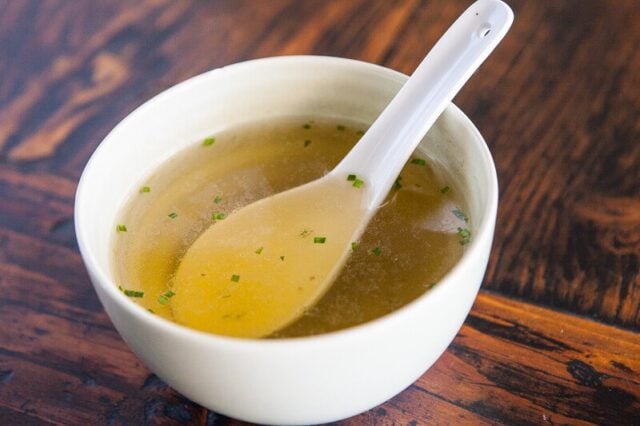
There’s a South American Proverb that says, “A good broth can raise the dead.” There is a reason why we eat soup when we are sick. A real bone broth has been simmering for hours to leach all the minerals and vitamins out of the bone making it liquid gold for our immune system. There are other great benefits to drinking bone broth on a daily basis.

If you slow cook the bone it draws out the collagen, marrow, and other healing elements from the bones, including amino acids, minerals, glycine, and gelatin—which helps heal the gut and reduce inflammation for the whole body.

Collagen, the protein matrix in bones, tendons, ligaments, and other flexible tissues, is broken down during the cooking process into another protein called gelatin. Gelatin is the reason properly prepared broth congeals in the fridge. This gelatin has in it the raw materials to rebuild your own connective tissue, especially tendons (which connect muscles to bones) and ligaments (which connect bones to each other).

Another benefit of bone broth for joint health comes from glycosaminoglycans (GAGs), a family of carbohydrates found in bones and connective tissue that show interesting effects in reducing joint pain. One of these GAGs, hyaluronic acid, is an effective treatment for osteoarthritis.


Bone broth helps in digestion by containing glycine, because it stimulates the production of stomach acid. Who may need more stomach acid, you ask? People who have acid reflux do because acid reflux is actually a problem of too little stomach acid, not too much. By prompting your body to secrete more stomach acid, glycine can help prevent or treat this painful and potentially dangerous problem. This makes bone broth a delicious supplemental food for anyone suffering from acid reflux, IBS, or FODMAPS intolerance.

Adding to its metabolic virtues, glycine is also an important component of bile acid, which is necessary for fat digestion in the small intestine, and also helps maintain healthy blood cholesterol levels. Especially for people who are new to Paleo and switching from a carb-based to a fat-based diet, this has the potential to keep the digestive process running a lot more smoothly.

Glycine isn’t the only useful protein for gut health, either. glutamine, another amino acid found in bone broth, is a natural remedy for “leaky gut,” that unpleasant and dangerous condition where the barrier between your gut and the rest of your body isn’t working properly, allowing molecules that should stay inside the gut to cross over into the bloodstream and potentially set of a cascade of autoimmune reactions. Glutamine helps maintain the function of the intestinal wall, preventing this damage from occurring.

Glycine also helps in detoxification because it supports the liver in removing anything dangerous from the body.
Glycine is also necessary for the synthesis of glutathione and uric acid, the body’s most important endogenous antioxidants.

Yet another detox-related benefit is that glycine helps clear out excess methionine, another amino acid found in large quantities in eggs and muscle meat. Methionine is an essential amino acid, but too much of it can raise blood levels of another amino acid called homocysteine, and the process of breaking down homocysteine increases the body’s need for B vitamins (thus increasing the risk of B vitamin deficiency even if your intake is adequate). Glycine from broths and cartilage can help break down homocysteine without the need for B vitamins.

Bone broth is extremely high in minerals. Bones from land animals are rich in calcium, magnesium, potassium, and phosphorus, and fish bones also contain iodine. We know that at least some of this mineral content leaches out into the water, because the bones are crumbly and demineralized when the broth is done cooking – often they’re so weak that they’ll fall apart if you put any pressure on them. If you use smaller bones, like chicken or fish, they’ll sometimes even entirely dissolve into the stock.

Another interesting anti-inflammatory benefit of the proteins in bone broth is more rapid recovery from injury. Under the stress of an injury or disease, the body’s needs for these amino acids increases and bone broth is perfect for supplementing this increased need for the body to repair.

So the old advice of drink soup when you are sick still stands. Drink soup when inflamed, when joints hurt, to heal the gut or when recovering from an injury as well! If you don't want to make your own bone broth there's a great organic bone broth place in NYC, Brodo and online, even though it comes in plastic, The Osso Good Co.