Showing posts with label garlic. Show all posts

Sunday, May 3, 2020

Bacteria and Lyme's Disease

At the offices we do a lot of work with patients reestablishing their gut flora and pH.  This type of healing usually starts with giving patients supplements to kill bad gut flora and get rid of toxins in the gut.  Once that phase is over, we then give supplements to put good gut flora back in and other supplements that may be needed to rebuild the gut.  This process of getting rid of toxins, which can include heavy metals or chemicals, and inflammatory foods by using food supplements from an organic farm is how we give people back their health.  I want to share with you how helping detox from the gut in particular helps with brain chemistry.  The majority of your neurotransmitters for your brain are made in the large intestine by bacteria.  Yes, the bacteria actually produce serotonin, dopamine and GABA, all of which play a key role in mood. The gut’s nervous system uses more than 30 neurotransmitters, just like the brain, and in fact 95 percent of the body's serotonin is found in the bowels. We look at the gut as our second brain. So if the large intestine environment is not healthy, a person could feel anxious, moody or depressed. Functional medicine calls this the gut-brain axis and we need to make sure that it is healthy.  ONE example of the relationship between the brain and the gut is IBS (Irritable Bowel Syndrome) which has the common symptom of getting worse with stress.  So not only does the gut make the neurotransmitters for the brain but it's a two way street and the mental stress in the brain can affect the function of the bowels.  That’s why we have sayings like I have butterflies in my stomach, I am so nervous I could throw up. I have a knot in my stomach. The mind body connection is real.

Now Bacteria in general have gotten a bad reputation, and for a good reason. Bacteria are behind a number of serious diseases — including pneumonia (Streptococcus pneumoniae), meningitis (Haemophilus influenzae), strep throat (Group A Streptococcus), food poisoning (Escherichia coli and Salmonella both are a bacteria) and a variety of other infections.
These “bad” bacteria are the reason why we diligently disinfect our hands and wipe down our kitchen and bathroom sinks, as well as any other places where germs tend to congregate. Yet, not all bacteria are bad guys. The good bacteria I already mentioned, it is estimated that we have 100 trillion of these, I can’t even wrap my head around that number, and not only are they good for our mood, making neurotransmitters but they help us regulate our sleep too for melatonin which was thought to only be produced in the brain by the pineal gland is also produced in the gut.  By getting rid of toxins and reestablishing a healthier gut flora with good bacteria we help people get off their sleeping aids and antidepressants.  We have been doing this for 14 years at Healing Arts using muscle testing and are so glad science is catching up to our results in the office for you can now do lab tests to see what your specific gut flora is made up of. The fancy scientific term for gut flora is micro biome and there are now lab tests one can do to see what specific bacteria you have  that make up your personal micro biome.  It will check all the good bacteria and see what level they are at and also the bad bacteria and show you what level they are at as well.  then with the results you can supplement with very specific good bacteria to create a healthier micro biome which means a healthier you!


There’s lots of other reasons to want a healthy micro biome.  Beneficial bacteria protect us against their dangerous relatives that cause disease by crowding them out in the gut, producing acids that inhibit their growth and stimulating the immune system to fight them off.  When helpful bacteria multiply and thrive in our bodies, they act as our protectors. But sometimes, we put the population of beneficial bacteria at risk. Such as When we take antibiotics to treat an infection of harmful bacteria, we also kill helpful bacteria. This can cause an imbalance of bacteria in the body that can lead to diarrhea and other gastrointestinal problems.  That’s why supplementing with probiotics is a good, foundational thing to do for health.  A probiotic is a supplement that has good bacteria.
Probiotics are available in many forms, including pills, suppositories, and creams. Many foods contain friendly bacteria, such as:
  • Yogurt and cheese
  • And  fermented foods such as: 
  • miso
  • tempeh 
  • sauerkraut
  • Pickles 
  • sourdough bread
  • kimchi 
I have mentioned a few already but Probiotics can help with a variety of health conditions, such as:
  • Diarrhea
  • Irritable bowel syndrome
  • Anxiety and depression
  • Ulcerative colitis and Crohn’s disease
  • Eczema 
  • Oral health including tooth decay, gingivitis.  The gut from mouth to anus is one large tube so it’s all connected. 
  • Probiotics can also help in losing weight but not one probiotic in particular.  It all depends on your gut flora makeup and what is missing.  Once the missing probiotic is added in then metabolism gets a boost because good bacteria help our bodies digest food and absorb nutrients, and they produce several vitamins in the intestinal tract — including folic acid, niacin, and vitamins B6 and B12.  This is why good gut flora is the foundation of a healthy body.
Let’s look at the different types of good bacteria
Lactobacillus
In the body, lactobacillus bacteria are normally found in the digestive, urinary, and genital systems. More than 50 different species of lactobacillus exist, including:Lactobacillus acidophilus, one of the most commonly used probiotics. Lactobacillus acidophilus has been used  to treat bacterial infections of the vagina, to prevent and treat diarrhea, eczema, IBS and block h.pylori  from growing which is the bad bacteria that causes ulcers to grow. 
Bifidobacteria
Bifidobacteria make up most of the “good” bacteria living in the gut. 
Bifidobacteria come in about 30 different strains and help with killing bad bacteria, relieve abdominal pain, gas, and bloating and improve cholesterol levels.
Streptococcus thermophilus
These bacteria can help prevent lactose intolerance because they help us digest lactose, a sugar found in milk and milk products. 
What You Can Do To Keep Your Microbiome Healthy?

1 – Avoid excess sugary foods: I’m talking about white refined sugar, brown sugar and cane sugar which will lower the healthy micro biome because sugar feeds all bacteria the good and the bad and also yeast.  We want to avoid yeast build up also known as Candida. If you think you may have Candida it is best to follow a Candida diet or get foods muscle tested using MuscleTesting to figure out what foods are specifically feeding the Candida in your body.

2 – Good Quality Sleep: good sleep is key for the intestinal lining to repair and create a healthy microbiome.

3 – Meditation and Relaxation: Meditation and quality down time is important to keep the body in the ‘rest and digest’ mode instead of stress mode. The Stress mode inhibits circulation to the gut, which doesn’t allow for a healthy microbiome. If you are new to meditation A good app to help you learn to meditate and relax is headspace.  

4 – Eat Foods with Fiber: fiber helps feed the good bacteria and keeps them healthy. Vegetables, fruits, psyllium, flax, inulin all contain fiber to help keep good flora.  In supplement form this good fiber is called a prebiotic.  

5 – Keep the colon cleansed - Bowel movements are really important. Healthy bowels should have a good, complete elimination at least once a day.  One of the main reasons for constipation in my office is dehydration.  We should be drinking at least our 8 glasses of 8 ounces of water a day, 64 ounces in total.  It’s not a recommendation, but for good health a minimal requirement. Many times I have my patients drink even more water than that. I like to start out every morning with 32 ounces of warm water with 1/2 lemon squeezed in it for a variety of reasons.  It hydrates the body, boosts the immune system and helps flush out the toxins the liver dumped into the colon from the night before.  That’s how the body gets rid of toxins.  Toxins find their way to the liver and the liver detoxes them and then dumps them into the intestines by moving through the gallbladder duct.  Toxins can also find their way to the kidney where they get filtered out to the bladder and excreted out through the urine.  Elimination is so important for a healthy body.
Take an antibiotic only if necessary and when you do supplement with a probiotic.  Antibiotics kill bad and good bacteria leaving your gut flora a mess afterwards so to replenish the good gut flora that is being killed by taking 3 probiotic away from the antibiotic.  If taken with the antibiotic the medicine will just kill the probiotic as well.  This imbalance of gut flora from an antibiotic is the reason why people get yeast infections after taking an antibiotic.  Taking a probiotic can prevent yeast infections from occurring.

6 -Drink celery juice - when I recommend it to my patients I usually recommend 16 ounces on an empty stomach and not to be mixed with any other juice.  Just pure celery juice.  Besides boosting the immune system to fight bacteria and viruses.
+ it is a great anti inflammatory, because it starves pathogens that cause inflammation & disease
+ it contains a multitude of minerals that act together as an antiseptic to kill disease and help the body function optimally
+ it’s an amazing detox for the kidneys and adrenals and it also raises hydrochloric acid in our gut… so helps with digestion a ton & balances pH
+ it is amazing for the SKIN as it clears out debris in the digestive tract and liver

7– Get tested for a probiotic supplement: A good quality probiotic should contain at least Lactobacillus and Bifidus bacteria. There are a number of good ones on the market and some that are poorly made, so it is best to get muscle tested to figure out which one you specifically need.  I have about 6 different ones in the office to cover a variety of different types of situations.  Also make sure your probiotic doesn't have any binders, fillers, or corn.  Sometimes people feel worse after taking a probiotic because the body needs to detox or kill bad gut flora first and so adding healthy bacteria to the body is overwhelming.  If that has happened to you it is best to first do a cleansing program with a healthcare practitioner.  We also test to see if a prebiotic is needed along with a probiotic.  A prebiotic helps the good bacteria grow so the gut can maintain the good bacteria on it's own which is what you want in the long run instead of your body being dependent on always needing a probiotic. 

I want to take the time now to talk about lyme’s disease which is caused by a bacteria.  This bacteria is not contagious from human to human but It comes from getting a tick bite.  Not all ticks carry Borrelia, the bacteria that causes lyme’s.  Once a tick attaches it can stay there for days and the longer it stays the higher the chance of it transmitting Borrelia or other pathogens into your bloodstream.  Lyme disease is a complicated infection, tough to diagnose and even harder to treat if doctors miss an early diagnosis, which is all too often the case.  Symptoms start with a bullseye-like mark at the site of the bite, a stiff neck, chills, ever, headache, and joint and muscle pain. Infection occurs within 24 hours of the initial bite and treatment should be sought out immediately. Now is the perfect time for me to talk about Lyme’s because ticks are not out all year round but tend to be out only when it is warm out.  Your chances of getting bit by a tick are highest starting in March and ending in the fall.

Lyme disease is a very serious condition which poses the following health risks if left untreated: numbness, nerve pain, cognitive issues, tingling, muscle weakness, and trouble with speech.  Lyme disease treatment is tricky because the most popular blood tests used in most doctors' offices to detect the disease miss about 55% of Lyme cases. 

 If and when a patient finally is diagnosed, it's sometimes by a clinical evaluation of the symptoms, ones that often mimic other ailments like fibromyalgia, chronic fatigue, irritable bowel syndrome, rheumatoid arthritis, and even Alzheimer's disease.

Complicating matters even further, symptoms can change and move making it even harder for doctors to effectively diagnose and treat. There is a lyme symptom tracker app you can download for free which is  helpful for patients to figure out what helps them with their symptoms. The tracker also makes it easy to share your symptoms with your healthcare provider.

Lyme disease occurs in three stages: early localized, early disseminated and late disseminated. However the stages can overlap and not all patients go through all three. A bulls-eye rash is usually considered one of the first signs of infection, but many people develop a different kind of rash or none at all. In most cases, Lyme symptoms can start with a flu-like illness. 

Stage 1: Early Localized Disease

Symptoms with early localized (or acute) Lyme disease may begin hours, a few days or even weeks after a tick bite. At this point, the infection has not yet spread throughout the body. Lyme is the easiest to cure at this stage. Symptoms may include:
  • skin rash, which may or may not look like a bull’s eye
  • flu-like illness, including chills and fever
  • fatigue
  • headache and stiff neck
  • muscle soreness and joint pain
  • swollen lymph nodes
  • sore throat

Stage 2: Early Disseminated Lyme

Early disseminated Lyme may occur several weeks or months after the tick bite. Bacteria are beginning to spread throughout the body. In addition to flu-like symptoms, this stage is often characterized by increase in symptoms such as:
  • chills
  • fever
  • headaches
  • fatigue
  • pain, weakness or numbness in the arms, legs
  • vision changes
  • heart problems, such as palpitations, chest pain
  • rash may appear on body
  • facial paralysis (Bell’s palsy)

Stage 3: Late Disseminated Lyme Disease

If Lyme disease isn’t promptly or effectively treated in the first two stages, late disseminated  Lyme also known as chronic, or neurological Lyme occurs weeks, months or even years after the tick bite. The Lyme bacteria have spread throughout the body and many patients develop chronic arthritis as well as an increase in neurological and cardiac symptoms. Symptoms may include:
  • arthritis 
  • severe headaches or migraines
  • vertigo, dizziness
  • migrating pains that come and go in joints/tendons
  • stiff, aching neck
  • sleep disturbances, insomnia
  • disturbances in heart rhythm
  • mental fogginess, concentration issues
  • numbness in the arms, legs, hands or feet
  • severe fatigue
One reason why you can get all these symptoms from Lyme is that coinfections can occur. Coinfections are other bacteria or viruses that the tick can give someone besides Borrelia. 

To help prevent getting tick bites here’s a DIY repellent to rub on your body before heading outdoors:
    •  9 drops citronella essential oil
    • 6 drops Tea Tree essential oil
    • 6 drops Peppermint essential oils
    • 1 tablespoon almond oil or jojoba oil

Also eat lots of garlic. Regular consumption of garlic or garlic capsules reduces the risk of tick bites, and tick-borne disease. The garlic causes the body to excrete a scent that ticks hate.

While antibiotics and other prescription medications can help in treating Lyme and co-infections I say there's also a place for holistic remedies in the treatment and management of Lyme disease. 

Antibiotics alone may not suffice because the Borrelia has a way of getting into the cell. When it does this the cell membrane inadvertently protects the bacteria and shields it from the antibiotics. The bacteria can also hide dormant in the nervous system, among other places, where antibiotic drugs can't reach them.

Natural treatments can help heal the body by knocking out the infection all together and reducing inflammation while also getting an injured immune system back on track.

Using Nutrition Response Testing I do not diagnose or treat Lyme but if a patient comes in knowing they have it, here is how I help support the body:

I have gotten great results using Herbs: stevia, andrographis, resveratrol, and cat's claw all target Lyme and coninfections.

Green tea compounds, along with curcumin, a component of the spice turmeric, are known to reduce oxidative stress and help aid in traditional antibiotic treatment. You can find these in supplement form or drink green tea and add turmeric to your food or drink

Having enough vitamins and minerals: Zinc, B, and D vitamin deficiencies could slow down Lyme recovery, so I always test to see if a patient is in need of these.

Of course if you took antibiotics for treatment then you will need Probiotics to help replenish the beneficial bacteria in the gut.  Eating more probiotic food too can help.

Exercise: Even small concentrations of oxygen can help destroy Lyme bacteria in the body. Although Lyme typically zaps people's energy, intense exercise during and after treatment can help keep the symptoms at bay.

Natural Anti-Inflammatories: natural compounds that ease inflammation, such as curcumin, and Standard Process's antronex.

Diet: a low-carbohydrate diet is a must because carbohydrates, including sugar, fuel the Lyme germs. This means ditching most processed foods and avoiding any added sugar. Muscle testing the person for their specific diet gets the best results, but in general, besides staying away from sugar and depending on the severity of the case you want to stay away from natural sugars too like honey, maple syrup, coconut sugar and only use stevia.  Besides the sugar other foods to avoid are bananas, avocados, cashews, legumes,  vinegars, tomatoes, strawberries, oranges, pineapple, and mushrooms, 

We have seen great results by actively supporting the person's general health with emphasis on their immune system, circulation, reducing inflammation, and detoxification because this can lead to reduced symptoms and full immune system restoration. give the body the right nutrition and it can heal. 

Sunday, April 5, 2020

For a Stronger Immune System Take Wellness Blend

There has been a lot of talk in the office about the coronavirus.  Let me rephrase that.  The coronavirus is all we talk about.  I understand the upset and fear.  We ask patients to do their due diligence and wash their hands, sanitize surfaces, don't touch their face etc. AND let the fear go.  Stress will lower the immune system and we don't want that.  Stress management and boosting the immune system with the right supplements is important and at Healing Arts we are doing just that.  Testing each one of our patients for the right immune support is crucial right now.  Every program looks different but to give you an idea of the main supplements that we are seeing people test for are Standard Process's Antronex, Immuplex, and Healing Arts own Wellness Blend.

I created this supplement in 2018 because I wanted one supplement that boosted the immune system and killed everything.  I wanted an antiviral, anti-parasitic, anti-fungal and antibiotic all in one.  Patients were coming to the office not feeling well and I would have to give them 4 or 5 new supplements to help their immune system and it was just too much.  Wellness Blend kills everything because it has kyolic garlic, liposomal vitamin C, mugwort, echinacea, oregano, lysine, eucalyptus, beta glucan and goldenseal.

In China they are using IV vitamin C to treat coronavirus patients and NYC hospitals started including vitamin C last week.  
Dr. Andrew G. Weber, a pulmonologist in NYC, has been giving his intensive-care patients who have been infected with the coronavirus 1500mg of intravenous Vitamin C several times a day - anywhere from 4500 to 6000mg in total - as part of an anti-viral protocol. Compared to the daily recommended allowance of Vitamin C - 90mg for men and 75mg for women - 6000mg is a massive dose. 

Nearly all of the Vitamin C (ascorbic acid) supplements you see at the supermarket or a drugstore are chemically synthesized, meaning that they are not food-derived. Synthetic Vitamin C is created in a process involving cornstarch and volatile acids. Natural Vitamin C is more complex and contains plant compounds like rutin, bioflavonoids, Factor K, Factor J, Factor P, tyrosinase, and ascorbinogen.  While both forms of Vitamin C provide health benefits, depending on the dosage, less than 50% of the synthetic Vitamin C is actually absorbed by the body. The rest is eliminated when you urinate, creating the bright yellow urine which you see in the toilet. Natural, food-derived Vitamin C, on the other hand, is absorbed in its entirety, assisted by the micro- and macronutrients which are co-factors for the absorption of Vitamin C.
Vitamin C occurs in a wide variety of foods, but most notably in:

  • citrus fruit (oranges, grapefruit, lemons)
  • kiwi fruit
  • strawberries
  • black currants
  • red and green bell peppers
  • tomatoes
  • cruciferous vegetables (broccoli, cauliflower, brussel sprouts)
The reason I made Wellness Blend with liposomal vitamin C is that liposomal technology enhances absorption and has higher bioavailability when compared to standard oral vitamin C.  Liposomal technology uses phospholipids from sunflower lecithin to help carry, protect and deliver vitamin C.
Garlic kills everything! It is an anti-parasitic, antiviral, anti-fungal, and antibacterial.  The reason I use kyolic garlic is because it's aged and loses it's odor and harshness that sometimes you find with other garlic supplements.  If you want to use garlic cloves medicinally and if you can handle it, chew a raw garlic clove a day with food already in your stomach. You can also take garlic in a tonic (here's my immune boosting tonic recipe you can make at home).  Cooked garlic loses it's medicinal value. One study found that as little as 60 seconds of microwaving or 45 minutes in the oven can deactivate the medicinal properties of garlic.  However, it was noted that crushing garlic and allowing it to stand for 10 minutes before cooking can help prevent the loss of its medicinal properties.  The loss of health benefits due to cooking could be compensated for by increasing the amount of garlic used. 
So to maximize the health benefits of garlic: 
  • Crush or slice all your garlic before you eat it.
  • Before you cook with your crushed garlic, let it stand for 10 minutes.
  • Use a lot of garlic — more than one clove per meal, if you can.
 
Mugwort is added into the Wellness Blend not as an immune booster but as a liver tonic.  If the liver is healthy then toxins won't build up.  Keep the body detoxed is important to keep the body healthy.

Echinacea not only supports the immune system, it also has been proven to reduce the severity and duration of viral infections.

Oregano is a very good antibacterial and is supports the lungs so it's good for any illness with a cough, bronchitis and asthma.

Lysine is an amino acid that is anti-viral.  L-lysine works by helping to increase the number of antibodies called IgG.
IgG antibodies fight infection, the more we have, the stronger our immune system is.  Studies have found that when lysine and vitamin C are used together, the levels of these antibodies in the blood rises even more.  

Eucalyptus leaves and oil have been used for generations as a cure-all for respiratory issues, particularly in removing excess phlegm and mucus from the sinuses and respiratory tracts.  Eucalyptus is specifically good at killing bacteria and candida.  

Beta glucan is a soluble fiber that not only boosts the immune system but also is good at lowering cholesterol and improving blood sugar management which is needed for diabetes and pre-diabitc situations.  

Goldenseal is also used for the common cold and other upper respiratory tract infections, as well as stuffy nose and hay fever. Goldenseal is also really good at killing parasites and for helping digestive disorders including stomach pain and swelling (gastritis), peptic ulcers, colitis, diarrhea, constipation, hemorrhoids, and intestinal gas.
So as you can tell Wellness Blend has a great variety of different herbs to help with all germs when sick, average dose is 3 a day and as a preventative, take 1 a day.  To order, click here.
Stay well!  Stay healthy! Stay safe!

Thursday, April 2, 2020

Immune Boosting Tonic

Here is a powerful all natural antiviral recipe that became my favorite remedy during cold and flu season over the last 5 years. This immune boosting tonic recipe is quite easy to make. It’s a garlic, ginger, lemon, honey remedy that’s suitable for the entire family, including kids!  Aids digestion and promotes detoxification too.


Ingredients:
  • 2 small fresh lemons (~1/2 cup) – (with the skin or not, cut into large chunks)
  • 1/2 cup fresh ginger – (peeled, cut into chunks)
  • 1/2 cup fresh garlic cloves – (peeled)
  • 1/2 cup raw organic Manuka honey

Instructions:Add all ingredients roughly chopped in a blender, pulsing for a few seconds until everything turns into a paste.
The mixture contains not only the juice but also the fibers from the whole fruit/vegetable which makes it even more beneficial for your gut microbiome.
This immune boosting tonic is best taken on an empty stomach in the morning and/or half an hour before meals or before going to bed.
As a preventive measure you can take one or two teaspoons per day based on personal requirement.
If you are in the middle of fighting a cold or an acute infection take 1 teaspoon every 3-4 hours.
The benefits of this tonic are best experienced if used regularly. 
Storage:
Store the immune boosting tonic in a seal-able glass container in the fridge. The longer its sits in the fridge the more potent it gets.

Sunday, July 14, 2019

Foods that Help Detox

Foods that Help Detox and Cleanse the Blood 


Blood does more than just carry oxygen to our organs and muscles.  It also carries hormones and sugar, helps regulate our immune system and cleanses the body.  It can be simply said that our blood needs to remain clean and free of toxins for the body. When toxins find their way into the body, the blood carries it to the liver, where the liver detoxes it, dumps it into the intestines and we excrete it out.  If our blood is too toxic we can start feeling sick in many ways.  Headaches, stomach pain, constipation/diarrhea, acne etc. can ensue.  But if we take our health seriously and keep our blood free of toxins we can have health benefits like glowing and acne-free skin, reduced cholesterol level, easier digestion and transport of nutrients etc. The liver being the main detox organ and kidneys being the second detox organ, if we take care of these organs then we can have cleaner blood which makes everything else in our body work better.  

Water
Water is the natural detoxifying agent which is also one of the most common and simplest blood purifiers. It flushes out toxins from our body and helps our organs to function properly. A person should drink at least 2 to 3 liters of water each day. Water aids the flow of minerals and vitamins and also helps in purification of blood by flushing toxins out through urination.

Turmeric
Turmeric
 is a golden spice which has numerous benefits. It promotes liver function and is one of the best natural healers. A compound found in turmeric named curcumin can fight inflammation.  Beside this, turmeric generates red blood cells.  

Blueberries
Blueberries are one of the best natural blood purifiers. It inhibits the growth of liver cancer cells and also keeps the liver healthy. Not only this, blueberries are high in antioxidants which directly prevent any damage to the liver. It removes heavy metals and harmful chemicals from the body efficiently.

Fish
Various fishes like salmon, sardines, and tuna contain omega-3 fatty acids which decrease the triglyceride levels in the blood and also lowers the blood pressure which ultimately helps the liver and kidneys to purify the blood effectively.

Broccoli
Broccoli is loaded with vitamin C, omega – 3 fatty acids, calcium, potassium, phosphorus, manganese etc. which help in removing toxins from our blood. On regular consumption, broccoli ensures detoxification and also provides a boost to the immunity system.

Beets
Beets can detoxify the blood naturally because of the presence of antioxidant named betalains and nitrates. It is also able to reduce oxidative damage in the liver. As per studies, if 
beetroot is consumed regularly it is capable of detoxifying the body by increasing the production of helpful enzymes. But because of nitrates be careful when giving it to infants.

Chlorophyll
Chlorophyll supplements work during digestion to both detoxify the body of toxins ingested through foods as well as to detoxify the body of existing stored toxins. Some chlorophyll is absorbed into the bloodstream during digestion. As the blood passes through the liver, chlorophyll promotes the liver’s cleansing and detoxification process by its action on the Phase II detoxification enzymes produced by the liver. Phase II is a process in which the liver uses enzymes to convert a toxic substance into a less toxic substance that is easily eliminated by the body. Additionally, chlorophyll appears to stimulate the regeneration of damaged liver cells. 

Chlorophyll also appears to increase circulation to all the organs of our body by dilating blood vessels. Specifically for the heart, chlorophyll helps in the transmission of nerve impulses that control contraction. The heart rate is slowed but the contraction strength is increased, improving the efficiency of the heart.


Garlic
Garlic in raw form is loaded with sulphur, an element which is beneficial in getting rid of toxins. It filters out the toxins from our blood by producing detoxification enzymes. Garlic is also helpful in cleaning and clearing the whole body. It boosts the immune system and possesses anti-inflammatory properties which can help in reducing the cholesterol level in the body and also blood pressure.

Lemon
Lemon helps in detoxifying the blood by releasing the toxins of our digestive tract and cleansing the system. Consuming warm lemon water on an empty stomach can do wonders. It can aid the breakdown of fat and also ease the load on the kidneys. The minerals and vitamins present in lemon help in detoxification of the body.
 Lemon juice can activate the liver to release toxins which help in cleaning intestines.

Tuesday, May 21, 2019

Are Parasites the Cause of Your Health Concerns?

Are you having trouble sleeping, fatigue, or mood swings? Trouble with your bowel movements or bloating? When you go to your MD these types of complaints are considered manageable and if treated, they are treated usually with over-the-counter medication to only get symptom relief without addressing the real issue.  In my office very frequently these symptoms are indicators of something that most doctors are not trained to look for, adding to the number of undiagnosed, misdiagnosed, and wrongly-medicated cases. PARASITES!

The truth is emerging and unbiased science is backing it up. Parasites may be responsible for many common conditions like joint pain, chronic fatigue, immune and digestive disorders; however, most doctors who practice Western medicine are not properly educated to recognize signs of parasitic infections.

What is a parasite?
The Centers for Disease Control and Prevention (CDC) define a parasite as an organism that lives on or in a host organism and derives its food from or at the expense of the host. Right away you may be thinking intestinal worms, which is correct, but the parasitic population is much bigger.
According to a report from the Proceedings of the National Academy of Sciences of the United States of America (PNAS), the helminth (worm) class of parasites alone is estimated to be between 75,000 and 300,000 species strong. PNAS also indicated that they have no credible way of estimating the number of parasitic protozoa due in part to the continual discovery of new species and extinction of others [Dobson et al.. (2008). Homage to Linnaeus: How many parasites? How many hosts?. Proceedings of the National Academy of Sciences of the United States of America , August(105), 11482-11489. Retrieved 26 May, 2015, from  http://www.pnas.org/content/105/Supplement_1/11482.full].

Not Just a Problem in Developing Parts of the World
The majority of parasitic infections are reported in tropical and subtropical regions of the world. Topping the charts as the most fatal parasitic infection is malaria, which, according to the World Health Organization, was responsible for an estimated 584,000 deaths in 2013 from the nearly 198 million cases reported [World health organization.(2015). 10 facts about malaria.Retrieved 22 May, 2015, from http://www.who.int/features/factfiles/malaria/en/].

But parasites don’t care where you live or whether or not you have access to adequate healthcare. We’re all equal opportunity hosts. Parasites are prevalent, even today in developed countries with advanced public health and safety practices designed to keep harmful organisms out of food and water supplies. Because total eradication of parasites is impossible, they just might be one of the greatest hidden health threats contributing to under diagnosed diseases and conditions in the West, and indeed all over the world.

I get asked a lot from my patients who are doing a parasite cleanse how they got the parasite in the first place.  There is no way to know for sure but unwashed fruits and vegetables can have parasites on them.  Raw meat or fish, contaminated water (think Mexico), insect bites (insects carry parasites) and pets are the most common places.  In 2014 there were 304 confirmed cases of illness caused by Cyclospora. Of those cases, 133 were linked back to eating contaminated fresh cilantro imported from Mexico [Centers for disease control and prevention.(c2015). Cyclosporiasis Outbreak Investigations — United States, 2014. Retrieved 22 May, 2015, from http://www.cdc.gov/parasites/cyclosporiasis/outbreaks/2014/]. 

In 2007 there were 31 confirmed cases of waterborne Giardia in a New Hampshire community. After a thorough investigation, the illness was linked to the community’s treated water supply [Daly et al..(2010).Epidemiology and Infection. Outbreak of giardiasis associated with a community drinking-water source ,138(4),491-500. Retrieved22 May, 2015, from http://dx.doi.org/ 10.1017/S0950268809990744]. And these cases are just a tiny fraction of the parasitic infestations that have occurred in the United States within the last decade.

Your best defense to not getting a parasite is a strong immune system. That way if you eat an apple with a parasite in it or some raw fish sushi, you would ingest it and the acid in your stomach would start killing it, sending signals to the immune system that there is an invader and the immune system would do the rest.  In a healthy body, parasite in, parasite out.  Parasites thrive in individuals with compromised immune systems. Young children and the elderly are also at greater risk due to fragile immune systems that have not built up sufficient immunity or have lost immune strength respectively. But even those considered healthy with relatively good immune function are becoming susceptible to parasitic infections due in large part from daily exposure to pollutants and toxins that overstimulate and exhaust the immune system, resulting in diminished ability to fend off pathogens naturally. Pollutants include solvents used in the manufacturing of products, including food. Solvents weaken the natural immunity barrier that should protect us so detoxing heavy metals and chemicals is also part of a good parasite cleanse.  If you have any heavy metal or chemicals in your body it creates an environment in your body where parasites can thrive.  

Diagnosing Parasites
Despite the prevalence of parasites and their ability to cause a multitude of health problems, the diagnosis of a parasitic infestation as the primary cause for many ailments is often overlooked. Why? Largely because the medical community doesn’t know what to look for. Physicians schooled in what is considered modern, Western medicine are typically not trained in parasitology, and therefore are not readily equipped to recognize the correlation between symptoms of illness and parasites.
Common ailments, including skin rashes, gastrointestinal discomfort, and insomnia are easily affiliated with other diseases. Certainly the changes the body undergoes as it passes through different stages of the lifecycle can also mask signs of a parasitic infestation, as can the body’s reaction to something ingested, exposure to a chemical, or even seasonal climate changes. This leaves the door open for inconclusive testing, misdiagnosis, and treatment for symptoms instead of the undefined cause.


Testing for Parasites
Considering that many people harboring a parasite don’t know they are infected, and because there are few clear signals that point to a parasitic infestation directly, how can you get tested if your own doctor doesn’t think a parasite is the likely cause of your ailment? Be your own advocate. Insist on being screened for a parasitic infestation. Tests can be performed to look for evidence of parasites, even in medical facilities that follow the Western medicine approach.
More than one type of test may be needed to confirm the presence of a parasite.

1. Stool Sample
This test is looking for eggs from parasites that cause intestinal issues such as diarrhea, loose or watery stools, cramping, and gas. A single stool sample may be inconclusive and perhaps only show evidence if the sample were taken around the time the adult parasite laid its eggs. A more reliable test would utilize three or more stool samples since the elimination of eggs in the stool tends to be cyclical. Parasites in the upper GI tract may not leave evidence in a standard stool sample.
A purged stool test using a powerful laxative may yield more conclusive results. This type of test is more useful when looking for Giardia, amoeba, roundworms, threadworms, tapeworms, flukes, Cryptosporidium, and hookworms.
2. Rectal Mucus Sample
Sampling rectal mucus may be a more reliable way than a stool sample when looking for a parasitic infestation because parasite eggs are prone to adhere to the mucus.
3. Direct Tissue Sample
Parasites that do not inhabit the lower GI tract, but rather in muscles and other tissues, will not show up in stool samples. Direct tissue samples will need to be obtained and tested.
4. Blood Test
Some blood tests can be used as a general indicator of a parasitic infection, but may not be relied on alone for confirmation. Blood tests can also be used to look for specific antibodies to some parasites, but in an individual whose immune system is already compromised to the point that they’ve stopped making antibodies, a blood test may be of little use. 
5. Endoscopy & Colonoscopy
Endoscopy and colonoscopy can be used to look for parasites and other abnormalities in the GI tract. The procedure is done by inserting a tube equipped with a mini camera down the mouth (endoscopy) or through the rectum (colonoscopy).
6. X-ray, MRI, CAT
These imaging tests can be utilized to look for some parasitic diseases that cause lesions in the organs.
7. Biofeedback
Some holistic doctors, including myself, use one of the increasingly popular biofeedback tests (muscle testing) to gauge physiological function and to determine the presence of a foreign stressor, such as parasite.  

Treating Parasites
Treatment for parasitic infestations is not a one size fits all deal. And unfortunately it’s certainly not something that can be cleared fast.
Prescription drugs are often oral pesticides with toxic chemicals that would otherwise not be suitable for consumption, and there’s no guarantee that they will work.  Sometimes they kill 90% of the parasites but the other 10% is remaining to continue causing havoc in your body. Some of the prescribed drugs are recognized as teratogens, agents that can cause malformation of a developing fetus.
Prescription parasiticides are designed to be effective against a single organism. They generally don’t have a broad reach and as with most prescriptions, they have side effects. If you have more than one parasite (which is common), you need to take more than one drug and suffer the side effects of multiple medications. But before medication can be prescribed lab testing is needed to clearly identify the organism. Unfortunately, testing for parasites is not an exact science, so there’s a chance that you may never know just how many parasites are in your body.

Much like strains of drug-resistant bacteria that have evolved over the years, parasites learn to adapt and can become resistant to certain medications and deterrent chemicals that were once thought to be effective forms of treatment. Chlorine, for example, was once believed to be a powerful disinfectant and preventative measure that could keep waterborne illnesses in check. However, outbreaks of Cryptosporidium and Giardia have been reported from water sources that met the chlorine treatment standards of quality at the time.

The CDC was forced to make a bold admission, stating that Cryptosporidium eggs are resistant to chlorine. Their findings were based on several outbreaks of legionnaire’s disease, Cryptosporidium, and Giardia linked to the use of chlorinated hot tubs, public spas, and swimming pools [Shields, J.M, Gleim, E.R & Beach, M.J. (2008). Prevalence of Cryptosporidium spp and Giardia intestinalis in Swimming Pools, Atlanta, Georgia. Emerging Infectious Diseases, 14(6), 948–950. Retrieved 26 May, 2015, from  doi: 10.3201/eid1406.071495].

Admittedly, sometimes looking to the past for answers is wise. Some individuals choose to approach parasitic infestations like our ancestors did. Herbal remedies that were used in tribal and folk medicine for centuries have made a comeback thanks in part to trained healers keeping these practices alive and to patients looking for an alternative to prescription medications.

Herbs do not have the toxic, synthetic chemicals found in prescription medications, and they are less likely to have the unwanted side effects of prescriptions. Further, herbs support the theory of strengthening the immune system and keeping intestinal flora in balance so that parasites are less likely to thrive. Compared to the prescription drug approach it’s easy to see that parasite cleanses with herbs and potent essential oils can be far more beneficial.

For parasitic infections, among the most common herbs that people test for in my office are black walnut hull, garlic, wormwood, and cloves. While each herb has its own antimicrobial properties, they are often used together for greater effectiveness. Essential oils can also be used effectively against parasites.  Using muscle testing (biofeedback) we develop a specific designed clinical nutrition program for you.  

Patience must be practiced when using herbal remedies. You will most likely need to take them for a few months, even if you start feeling better sooner. You must continue to take the herbs over the entire lifecycle of the parasite. The adults are likely to be killed first, but not the eggs. Being persistent about continuing the treatment better ensures that the maturing parasites will eventually die off as well.
Ultimately, the best treatment for parasites remains prevention. But with the prevalence of parasites in and among our everyday lives, we’re all potential hosts on the cusp of being infected.

You may also need to consider cleansing the body of other accumulated toxins that suppress immune function and allow parasites to thrive. Toxic heavy metals and overgrowth of Candida yeast can strain the immune system over long periods of time without clear signs of doing so. There’s often a correlation between heavy metal toxicity, Candida overgrowth, and parasitic infections with unhealthy biofilms in the gut. So cleansing heavy metals and Candida to improve the health of intestinal biofilms and to empower immune function is often what I help patients with when cleansing parasites.  

Life After Treating Parasites
Once your parasitic infection has been cleared, certain lifestyle changes are encouraged to prevent re-infestation. Now the focus shifts to strengthening the immune system through a combination of protocols:
  • Eat a healthy, balanced diet.
  • Store and prepare food properly.
  • Get your water tested for both microorganisms and toxins (remember, parasites like weakened immune systems, including those weakened by toxins).
It’s a complex and detrimental human health problem when many of our physicians would never think to look for a parasite infestation as a primary cause of illness. This leaves patients undiagnosed or misdiagnosed while parasites continue to cause damage to organs and tissues and steal essential nutrients from the body. This scenario also leaves physicians prescribing strong drugs that cause further stress on the immune system and the liver by introducing potentially toxic chemicals into the body.
In a nutshell, it comes down to this:
  • Take preventative measures.
  • Be your own health detective and get tested for parasites.
  • If you have a parasite, weigh the pros and cons of each treatment type and decide which course of action to take.
  • Be diligent, yet patient with your treatment – you won’t be cured overnight.
  • Strengthen your immune system and keep up with the preventative measures to limit re-exposure.

Sunday, January 20, 2019

Great Apple Cider Vinegar Drink

Fire Cider  

I give a very specific apple cider vinegar drink frequently to patients to help change the pH of their system and in this way it can help with joint pain, improve digestion, help with weight loss, kill candida and more.  To read more about apple cider vinegar and this medicinal drink, click here.

I now want to take the time to share with you another type of medicinal apple cider vinegar drink called Phoenix Rising Fire Elixir.  It is made by a farm in New Paltz, NY called Tweefontein.  It is a very spicy tonic that includes Organic Apple Cider Vinegar, Horseradish, Garlic, Ginger, Onion, Turmeric, Paprika, Cayenne, Pure Raw & Unfiltered Honey.  The tonic is so highly concentrated that all you need is a tablespoon diluted in warm water.   If spicy food is not your thing then stick with my recipe for this is only for the brave.  The good news is you can dilute it to any concentration you can handle.  
I like how the drink is pre-made so all you have to add is water.  It's more medicinal if you add the juice of 1/2 a lime.  Also, I like Fire Elixir because with the ginger, garlic and onion it will boost your immune system for sure!

Tuesday, February 6, 2018

DIY Remedy for Boosting the Immune System

This winter season has been brutal on our immune systems.  Even people who never get sick through the flu season are sniffling, courageously fighting whatever germs come their way.  Here is my favorite remedy to make when starting to feel under the weather.


Why this home remedy for cough and cold works:

This recipes contains the best things for you to fight a cold or flu naturally:
Lemon: High in vitamin C, which keeps the immune system strong and neutralizes the free radicals in your body. This reduced the inflammation and swelling.

Ginger:
 Helps you sweat out the toxins in your body, which is helpful when you have a cold or flu. Ginger is also helpful for settling upset stomachs, dizziness, nausea, vomiting and cold sweats.


Garlic:  Rich in antioxidants, vitamin B6, vitamin C, and manganese. A recent study on the antibacterial and antiviral properties of garlic shows that it can help boost the immune system. This means that garlic can help reduce the occurrence and the severity of the symptoms of a cold and shorten the recovery period as well. Garlic may also help with congestion in the sinuses by reducing inflammation in the nasal passages. 

Manuka Honey:
 Soothes a sore throat, making it an effective and natural cough suppressant. This improves the body's ability to fight infection and decreases the risk of fevers. The natural sweetness of honey also balances the tartness of the lemon and the ginger's and garlic's spice in this concoction.  Read this to learn more about Manuka honey. 


You can make this immunity boosting, body soothing concoction ahead of time and store in the fridge. I usually keep my mixture for about two months, and then make a new batch.

INGREDIENTS

  • 2 lemons thoroughly cleaned
  • 2 piece fresh ginger about the size of your pointer and middle finger togehter
  • Manuka honey
  • 4 cloves of garlic
  • 12 oz mason jar

INSTRUCTIONS

  1. Slice lemons and ginger. Chop garlic.
  2. Place the lemon, garlic and ginger slices in the mason jar, alternating layers of each.
  3. Slowly, pour honey over the lemon and ginger. Allow the honey to sink down and around the lemon and ginger slices. Fill jar to the top with honey and seal tightly.
  4. Store in the refrigerator. Over time, the mixture will start to turn into a loose jelly.
  5. When you are in need of some soothing tea, scoop 2-3 tablespoons into a mug full of hot water—be sure to scoop whole pieces of garlic, ginger and lemon. Allow to steep for 3-4 minutes and sip away.

Wednesday, November 4, 2015

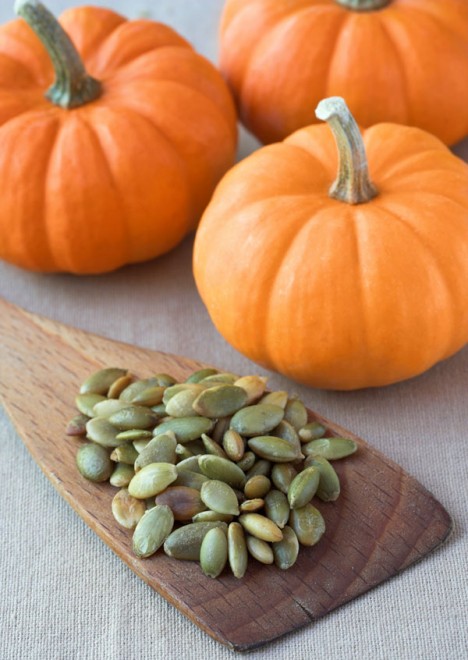
For the Health of It: Pumpkin Seeds

Pumpkin seeds are a wonderful source of B vitamins, many minerals, including zinc, and essential fatty acids. They contain hormone building elements.The oils in these seeds not only support normal sexual function (see my video on the High Libido Diet), but also help protect against heart disease. They have traditionally been used for porstate disorders. They supply a safe and natural source of tryptophan. These seeds are anti-parasitic as well.

Pumpkin seeds are an excellent source of unsaturated fatty acids: oleic fatty acids as well as omega 3 and omega 6. Oleic acid has strong beautifying properties. The anti-inflammatory, antioxidant omega 3 fatty acids are great for the body too.

The zinc found in pumpkin seeds can help with skin conditions including warts and acne. Zinc helps improve the ability to smell and taste and promote digestion. Because of the high levels of zinc along with being rich in magnesium pumpkin seeds are a wonderful food for the prostate. Chronic prostate inflammation is linked to a lack of dietary zinc and in Germany pumpkin seeds are an approved treatment for benign prostatic hypertrophy (Fortschritte er Medizin, 1996, vol.10)

Pumpkin seeds are a true aphrodisiac, because, in men, they pump the prostate full of zinc, build seminal fluid and increase sperm count. In women they build hormones and build sexual fluids.


Raw pumpkin sees are on of the best sources of tryptophan. Tryptophan works with zinc to improve one's mood and increase levels of serotonin in the brain which helps alleviate depression and stress.

To eat pumpkin seeds to get rid of parasites eat a handful of raw seeds twice a day on an empty stomach for one week and then take a week off and then repeat this process again for another week. If eaten with garlic, pumpkin seeds are even more effective. The amino acid cucurbitin in pumpkin seeds is likely responsible for this anti-parasitic effect. Cucurbitin is believed to paralyze worms causing them to loosen their grip and then allowing them to be expelled from the body.

Because of the healthy goodness that can come from pumpkin seeds I feel I have to let you know that there are no known side effects or reports of toxicity regarding pumpkin seeds so eat your heart's desire!

Wednesday, October 7, 2015

Stop a Cold Before it Starts


You've been there. Adults average 2-4 colds a year that last about 7 days. So don't let your sniffle or slight cough turn into something big that lasts a week. My favorite things to take when starting to feel under the weather are Immuplex and Antronex by Standard Process. Every medicine cabinet should have one. If your medicine cabinet doesn't have them start with these steps until your next appointment:

1. Pop zinc. Research shows taking zinc within a day of your first symptoms can reduce both their severity and duration. Taking a zinc supplement regularly can help, too.


2. Then destress. When you’re under stress, your immune system ends up under-reacting to viral and bacterial infections. Stress goes up, immune system goes down. Use lavender essential oil. Rub on wrists or tension headache, bottom of feet when going to bed or even a few drops in your bubble bath.

3. Increase your water intake. Water helps flush out whatever little thing you are fighting so it doesn't become a big thing.

4. Swish. Evidence shows oil pulling helps clean the lymphatic system which helps boost the immune system.

5. Pop a probiotic. In a recent study, probiotic supplements shortened the duration of a cold from 6 days to 4, made symptoms a third less severe, and halved the number of days subjects stayed home.


6. Try an herbal remedy. It wasn't until recently I started using echinacea in the office. I had written it off as most of us had as being ineffective but when I understood that there were different types of echinacea and which one to use I couldn't believe the results patients were getting.

7. Hop on the D train. It seems like no coincidence that colds hit hardest when the sun is lowest. Add vitamin D during cold season to reduce risk and speed recovery.

8. Pause your workout. Regular moderate exercise is best for warding off bugs, research shows. But once you’ve caught a cold, take a rest. You just need to listen to your body. Don’t try to push through it.

9. Get garlic breath. Used as a home remedy for its supposed antimicrobial and antiviral superpowers, garlic hasn’t been formally studied much. However, some evidence shows it may ward off colds. Eat it raw if you can otherwise rush a clove with dinner.


10. Head to bed. Since sleep boosts immune function, that “pre-cold” may be a good indicator that you haven’t been getting enough lately. A study in the Archives of Internal Medicine found that people who slept less than 7 hours a night were three times more susceptible to colds than those who slept 8 or more hours per night.